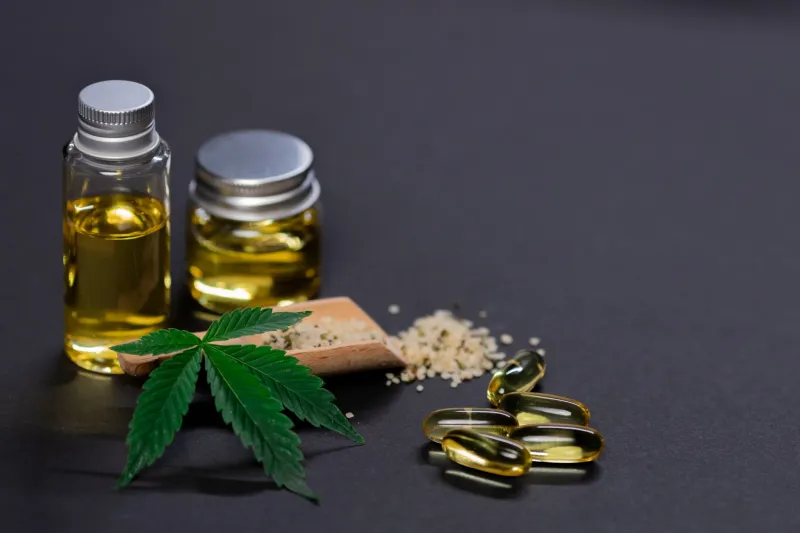
Train Hard, Recover Smarter: Why Plant-Based CBD Is Replacing the Post-Workout Ice Bucket
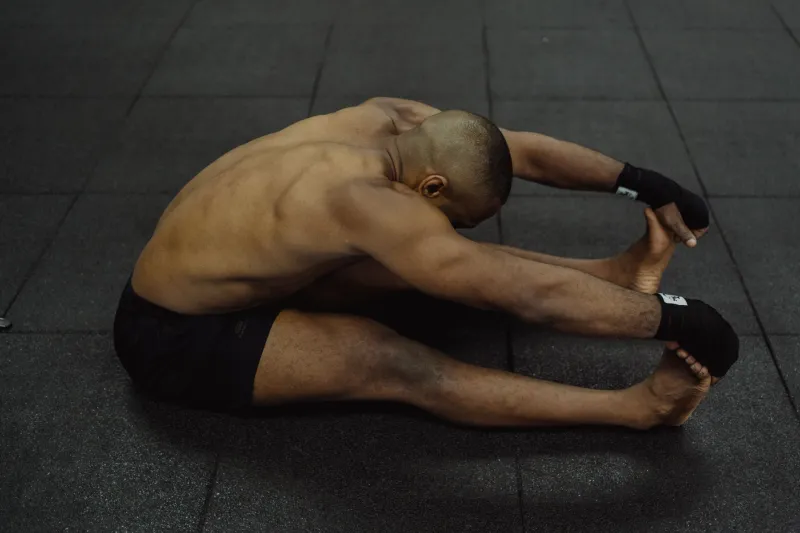
Anyone who's ever pushed through leg day knows the deal: you earn the workout twice. Once in the gym, and again the next morning when climbing out of bed feels like a personal insult. For decades, the go-to recovery playbook looked pretty much the same — ice baths, NSAIDs, rest, repeat. But something is shifting in locker rooms and training facilities from Portland to Miami, and it smells a lot like hemp.
CBD is quietly becoming a staple in post-workout recovery routines, and not just among wellness-curious weekend warriors. Competitive athletes, CrossFit regulars, and endurance runners are rethinking what recovery actually means — and finding that a plant-based approach might be doing more for them than the old-school methods ever did.
What Actually Happens to Your Body After a Hard Workout
Before we talk solutions, it helps to understand the problem. When you push your muscles past their comfort zone — whether that's a heavy squat session, a long trail run, or back-to-back HIIT classes — you're creating microscopic tears in muscle fibers. That's not a bug; it's the feature. The tearing triggers an inflammatory response, your body rushes in repair crews, and you come out the other side stronger.
But that inflammatory process? It can overstay its welcome. Excessive or prolonged inflammation is what turns normal post-workout soreness into the kind of stiffness that sidelines you for days. It's also why chronically overtrained athletes are more prone to injury — their bodies never fully catch up.
Here's where things get interesting. Your body has a built-in system designed to regulate inflammation, stress response, and cellular repair — the endocannabinoid system (ECS). And CBD interacts directly with it.
The Endocannabinoid System: Your Body's Built-In Recovery Coach
The ECS isn't some fringe concept — it's a legitimate physiological network found throughout your muscles, joints, immune cells, and nervous system. It helps regulate pain perception, immune response, sleep quality, and mood. All things, not coincidentally, that take a hit after intense physical training.
CBD (cannabidiol) works by supporting ECS function — not by flooding the system, but by helping it do its job more efficiently. Some researchers describe it as nudging the ECS toward homeostasis, that biological sweet spot where your body is neither over-inflamed nor under-recovered.
A growing body of research suggests CBD may help modulate cytokine activity (the chemical messengers behind inflammation), reduce oxidative stress in muscle tissue, and support deeper, more restorative sleep — which is, let's be honest, when most of the actual recovery magic happens.
Why Athletes Are Moving Away from Ice Baths and Ibuprofen
Ice baths have had a great run in sports culture, but the science on them has gotten complicated. Some studies now suggest that aggressive cold therapy immediately post-workout may actually blunt the adaptive response — meaning you might be slowing down the very gains you trained for. The inflammation you're icing away? Some of it is doing important work.
NSAIDs like ibuprofen carry their own concerns when used habitually. Long-term, frequent use has been linked to gut lining issues, kidney stress, and — again — potential interference with muscle protein synthesis. That's not a trade-off most serious athletes want to make.
CBD, by contrast, appears to support the body's natural recovery arc without suppressing it. Rather than forcing an anti-inflammatory shutdown, it works with your physiology. That distinction matters.
Take Marcus, a 34-year-old marathon runner based in Austin, Texas. He'd been relying on ibuprofen after long training runs for two years before making the switch. "I started using a full-spectrum CBD oil about 30 minutes after my long runs," he says. "Within a few weeks I noticed I wasn't as wrecked the next day. My sleep got better, too, which I hadn't even expected."
Or Danielle, a competitive CrossFit athlete from Denver who added a CBD topical to her recovery kit alongside oral drops. "I use the oil internally for the systemic stuff and rub the balm directly into my shoulders and hips. It's become non-negotiable for me before bed on training days."
Practical Timing and Dosing: Making It Work for Your Training
Here's the part most articles skip over — actually integrating CBD into your routine in a way that makes sense for how you train.
Within 30–60 Minutes Post-Workout This is when your body's inflammatory signaling is ramping up. Taking a CBD oil or softgel in this window may help support a more balanced inflammatory response without shutting it down entirely. Start with a moderate dose — somewhere in the 15–25mg range — and adjust based on how your body responds over two to three weeks.
Before Bed on Heavy Training Days Sleep is where the real repair happens. A slightly higher dose of CBD in the evening (some athletes go up to 30–50mg) may support deeper sleep cycles and reduce nighttime restlessness that comes from muscle soreness and elevated cortisol. Full-spectrum formulas, which include minor cannabinoids and terpenes alongside CBD, tend to be the preferred choice here for their broader plant synergy.
Topicals for Localized Recovery For specific joints, muscle groups, or areas of chronic tension, a high-quality CBD topical applied directly to the skin can provide targeted support. Look for formulas that combine CBD with complementary botanicals like arnica, menthol, or turmeric for added effect.
On Rest Days Don't skip CBD just because you're not training. Rest days are active recovery days, and maintaining consistent ECS support throughout your week — not just post-workout — is where many athletes find the cumulative benefit really shows up.
Choosing the Right CBD for Athletic Recovery
Not all CBD products are built the same, and this really matters when you're putting something into your body as part of a performance protocol. Look for:
- Third-party lab testing (COA): This verifies potency and confirms the absence of heavy metals, pesticides, and residual solvents.
- Full-spectrum or broad-spectrum formulas: These preserve the plant's full range of compounds, which work better together than CBD in isolation.
- Clean ingredient lists: If you wouldn't put it in your pre-workout, it doesn't belong in your recovery stack.
- Appropriate concentration: A 1,000mg+ tincture gives you more flexibility with dosing than a weak 300mg formula.
The Bigger Picture: Recovery as a Lifestyle, Not an Afterthought
At Pura Vida CBD, we think about recovery the same way we think about wellness in general — it's not a checkbox you tick after a hard session. It's a daily practice. It's how you sleep, how you manage stress, how you fuel your body, and yes, how you support your body's own healing intelligence.
CBD fits naturally into that philosophy. It's not a miracle fix, and it won't make up for poor sleep, inadequate nutrition, or overtraining. But as part of a thoughtful, whole-body approach to fitness, it offers something that an ice bucket simply can't — a way to work with your biology instead of against it.
The athletes making this shift aren't abandoning smart training principles. They're upgrading them. And that, honestly, feels very pura vida.